
 Home
Home Shop
Shop New Arrivals
 Vape Juice
 Salt Nicotine
 Disposable Vape
 Hardware
 Nicotine Pouches
 Clearance
 Blog
BlogNews
How Many Puffs a Day Is Safe? The Truth About Vaping Limits and Health Risks

Aug
Vaping has quickly become one of the most common alternatives to smoking, with millions of people using vape pens, disposable vapes, and pod systems every day. But a question that comes up constantly is: how much is too much? Whether you take 50 puffs, 200 puffs, or more, it’s normal to wonder if your daily habit could be harmful. In this article, I’ll break down what the research says, what health professionals warn about, and how you can better understand your vaping limits.
How Many Puffs a Day Is Normal?
When it comes to vaping, there’s no universal number that defines “safe.” Unlike cigarettes, which are often measured by packs per day, vaping varies widely depending on the device, nicotine strength, and personal usage.
- A disposable vape might advertise 5,000 to 20,000 puffs total.
- A pod system may last anywhere from a few hundred to a couple of thousand puffs per cartridge, which is filled with vape juice.
- Some users take short, light draws, while others inhale deeply and more often.
Because of these differences, 200 puffs for one person could equal the nicotine equivalent of a pack of cigarettes, while for another it may be closer to just a few cigarettes’ worth.

Is 200 Puffs a Day on a Vape Bad?
This is one of the most common questions people ask. While 200 puffs might not sound like much, the answer depends heavily on the nicotine strength of your e-liquid.
- High-strength nicotine (20–50mg salts): 200 puffs could deliver a large dose of nicotine, potentially leading to dependence, faster tolerance, or side effects like nausea, dizziness, or rapid heartbeat.
- Low-strength nicotine (3–6mg freebase): 200 puffs may not feel nearly as strong, but inhaling that often still exposes your lungs and body to chemicals found in e-liquids.
So while 200 puffs might not be considered immediately dangerous, it’s not necessarily “safe” either, especially if it becomes a daily routine.
What Happens If You Vape Too Much?
Overusing a vape can lead to both short-term and long-term effects. Some users notice symptoms within the same day of heavy use, while others only realize the impact after weeks or months.
Short-term effects of vaping too much:
- Nicotine headaches or dizziness
- Dry mouth and throat irritation
- Increased coughing or wheezing
- Elevated heart rate or jitters
- Nausea or upset stomach
Long-term concerns with heavy vaping:
- Greater risk of nicotine addiction
- Increased exposure to harmful chemicals such as formaldehyde and acetaldehyde
- Potential lung irritation that can lead to chronic cough or shortness of breath
- Heightened dependency, making it harder to quit later

How Many Puffs a Day Is Considered Safe?
At this time, health experts don’t define a “safe” number of puffs per day. What we do know is that vaping is less harmful than smoking cigarettes, but it’s not risk-free.
For someone switching from smoking, vaping can be a tool to reduce exposure to tobacco smoke. But for non-smokers or light users, vaping hundreds of times per day can introduce unnecessary health risks.
The key is moderation:
- Keep track of your puff count if your device has a screen.
- Use lower nicotine strengths if you find yourself hitting your vape constantly.
- Try to limit “chain vaping” by setting natural breaks between sessions.
Can Vaping Damage Your Lungs If You Do It Too Much?
The biggest concern with vaping is lung health. While vaping doesn’t involve burning tobacco, inhaling vaporized e-liquid still introduces foreign substances into the lungs.
- Irritation and inflammation: Repeated exposure can irritate the airways, leading to cough, wheezing, or chest tightness.
- Vaping-related illness (rare but possible): Cases of EVALI (E-cigarette or Vaping Use-Associated Lung Injury) showed how certain vape ingredients could trigger severe lung damage.
- Chronic risk: Heavy, long-term vaping may increase the chance of respiratory issues, especially in people with asthma or other conditions.
Why Moderation Matters
Nicotine is both addictive and habit-forming. The more you vape, the harder it becomes to cut back or quit if you decide you want to. That’s why being mindful of puff counts is important—it helps prevent dependency from growing unnoticed.
- Track your usage daily.
- Switch to lower nicotine levels if you’re vaping constantly.
- Take intentional breaks between puffs to avoid chain vaping.
This not only protects your health but also saves money and extends the life of your vape.
Are There Healthier Alternatives to Heavy Vaping?
If you’re finding yourself taking hundreds of puffs a day, it might help to explore other options:
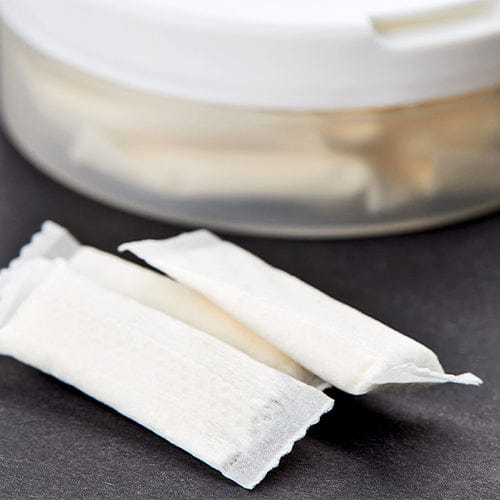
- Nicotine pouches or mints: Provide nicotine without inhalation.
- Nicotine gum or lozenges: Offer a measured dose that’s easier to control.
- Gradual reduction plans: Cut down puff by puff each week until you’re at a comfortable level.
For some, vaping is a tool to quit smoking. For others, it becomes its own habit. If you want to reduce your puff count, switching to alternatives or setting a clear plan can help.
Final Thoughts
So, is 200 puffs a day bad? It might not be catastrophic in the short term, but it’s not something to ignore either. The impact depends on nicotine strength, how often you vape, and your overall health. Heavy, consistent vaping can lead to addiction, lung irritation, and other side effects.
The best approach is moderation, awareness, and making informed choices. If you use vaping as a smoking alternative, keep it as a tool rather than turning it into an around-the-clock habit. And if you’re ever concerned about how much you’re vaping, consider talking to a healthcare professional for guidance.
