
 Home
Home Shop
Shop New Arrivals
 Vape Juice
 Salt Nicotine
 Disposable Vape
 Hardware
 Nicotine Pouches
 Clearance
 Blog
BlogNews
Why Vape Flavors Taste Different Between Brands
Jan
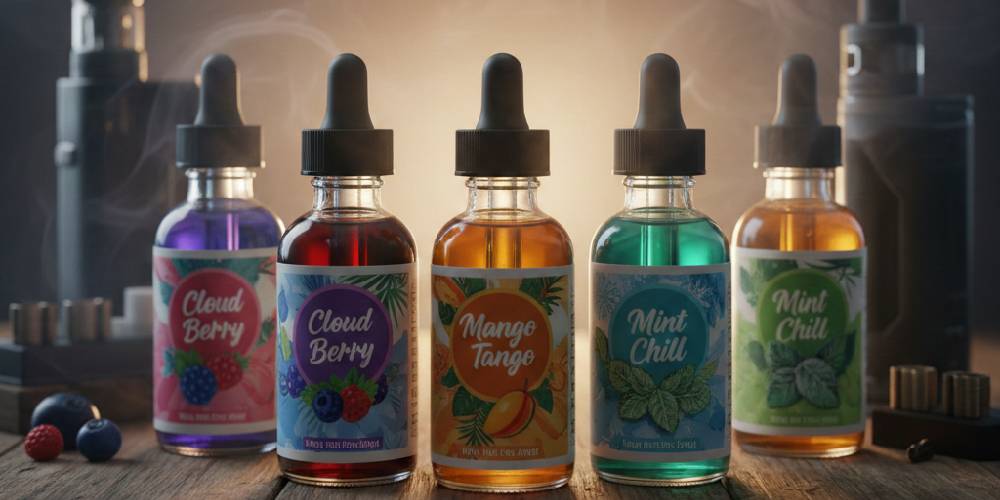
Vape flavors are one of the biggest reasons people stick with a brand or walk away from it for good. Two vape juices can share the same flavor name, use similar packaging, and promise the same experience, yet taste completely different once you try them. That difference isn’t random, and it isn’t your imagination.
Flavor is shaped by formulation choices, ingredient quality, nicotine type, and even the hardware used to vape it. Understanding why vape flavors vary so much helps explain brand loyalty, disappointment, and why finding the right match often takes trial and error.
Why Do Vape Flavors Vary So Much?
At a basic level, vape juice contains only a few components. But the way those components are selected, combined, and balanced makes all the difference. Vape flavors are recipes, not formulas, and brands rarely approach them the same way.
Each company develops its own flavor philosophy based on its audience, device compatibility, and brand identity. Those priorities influence every decision that follows.
- Some brands aim for bold, instantly noticeable flavor
- Others focus on smoothness and long-session comfort
- Certain brands prefer realistic profiles, while others go candy-style
- Many flavors are designed around specific coil and airflow setups
Because there is no universal standard, even small differences add up fast, resulting in noticeable variation across vape flavors.
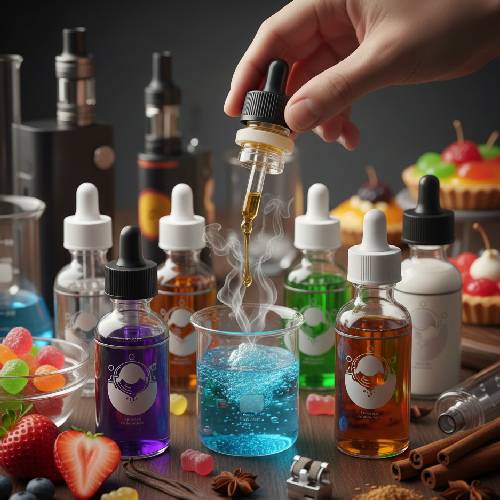
Flavor Formulation Differences Between Brands
Flavor Concentrate Selection
The foundation of any vape flavor is the concentrate itself. Food-grade flavorings come from many different manufacturers, and each supplier interprets flavors differently. One strawberry may taste bright and tart, while another leans sweet and candy-like.
Brands choose concentrates based on availability, cost, stability, and how they perform when vaporized. Some rely on a single dominant note, while others blend multiple concentrates to create depth. This is where flavor formulation science quietly shapes the experience.
Flavor Layering and Complexity
Not all flavors are meant to be complex. Some brands intentionally keep things simple for clarity and consistency. Others build layered profiles with distinct stages.
A layered flavor may deliver brightness on the inhale, sweetness on the exhale, and a lingering aftertaste. Vapetasia vape juice is often associated with this multi-note approach, especially in dessert-style blends, while other brands prefer clean, direct flavor delivery.
Sweeteners and Additives Play a Bigger Role Than You Think
Types of Sweeteners Used in Vape Juice
Sweeteners dramatically affect how a flavor is perceived. Some enhance flavor without obvious sweetness, while others create a bold, sugary profile. Heavily sweetened vape juice often tastes rich and satisfying at first but can become overwhelming over time. Brands like Fruit Monster vape juice intentionally lean into sweetness, while others aim for balance to support all-day use.
Cooling Agents, Acids, and Enhancers
Cooling agents do more than add a cold sensation. They can reduce perceived sweetness, sharpen fruit notes, or change how flavors linger. Acids introduce brightness and bite, while enhancers smooth transitions between notes. Two flavors built on the same fruit base can taste entirely different depending on how these additives are used, even when the core ingredients are similar.
PG/VG Ratios and Their Impact on Flavor
Propylene Glycol (PG) and Flavor Sharpness
Propylene glycol is the primary carrier for flavor molecules. Higher PG ratios typically deliver sharper, clearer flavor definition. This is why some vape flavors feel crisp and intense. Brands that favor PG often appeal to users who want brightness and precision, especially in fruit or mint-style blends.
Vegetable Glycerin (VG) and Smoothness
Vegetable glycerin adds thickness and smoothness but slightly softens flavor intensity. High-VG blends tend to feel richer and more rounded, with less bite. This balance is a key reason Naked 100 vape juice is often described as smooth and clean rather than aggressively bold. VG-heavy blends emphasize comfort and consistency over sharp intensity.
Nicotine Type Changes How Flavors Taste
Nicotine Salts vs Freebase Nicotine
Nicotine itself influences flavor perception. Freebase nicotine has a sharper edge that can highlight certain notes but may also introduce harshness. Nicotine salts are smoother and often allow flavors to feel softer and more blended. Because of this, brands formulate flavors differently depending on which nicotine type they use.
Nicotine Strength and Flavor Muting
Higher nicotine strengths can suppress subtle flavor notes. Sweetness and complexity may fade as nicotine concentration increases. To compensate, some brands boost flavor intensity, while others accept a more muted profile. This is why the same flavor can taste noticeably different across strengths and brands.
/**/
Device Hardware Makes the Same Flavor Taste Different
Coil Type and Material
Hardware plays a major role in flavor delivery. Mesh coils heat evenly and often enhance sweetness and clarity. Traditional wire coils may emphasize warmth or depth instead.
Many vape juices are designed with specific coil types in mind. A flavor built for mesh coils may feel flat on older hardware, while a low-power flavor can taste overpowering on modern devices.
Airflow Design and Flavor Delivery
Tight Draw vs Airy Draw
Tight airflow concentrates vapor, intensifying flavor. Airy airflow spreads vapor out, creating a lighter and smoother experience. If a flavor is designed for restricted airflow but used on an open system, it may feel weak or washed out.
Fixed vs Adjustable Airflow
Adjustable airflow allows users to fine-tune flavor intensity, while fixed airflow locks the experience into a specific range. Brands that expect adjustable airflow often build flexible flavor profiles, while fixed-airflow designs aim for consistency over customization.
Manufacturing Quality and Consistency
Ingredient Sourcing and Quality Control
Ingredient quality has a direct impact on flavor stability and consistency. High-quality food-grade flavorings produce cleaner taste and more reliable results. Strong quality control ensures that each batch tastes the same as the last. Without it, flavors can drift over time, leading to inconsistency even within the same brand.
Why “Same Flavor Name” Doesn’t Mean Same Taste
Flavor names describe a concept, not a recipe. One brand’s version of a flavor may focus on realism, while another aims for sweetness or nostalgia.
Why You Might Love One Brand’s Flavor and Hate Another’s
Personal preference plays a huge role in flavor perception. Sensitivity to sweetness, cooling, vapor density, and throat sensation varies from person to person.
Your device, airflow, nicotine level, and vaping habits all interact with flavor design. When everything aligns, a flavor can feel perfect. When it doesn’t, even a popular brand may disappoint.

How to Find Vape Brands That Match Your Flavor Preferences
The easiest way to narrow options is to identify patterns in what you enjoy. Do you prefer bold sweetness or subtle balance? Clean fruit or layered blends? Exploring vape flavor collections helps reveal those patterns. Noms X2 vape juice, Naked 100 vape juice, Vapetasia vape juice, and Fruit Monster vape juice each represent different approaches to flavor design.
Final Thoughts Flavor Is More Than Just the Label
Vape flavors are shaped by formulation, ingredients, hardware, and manufacturing choices. The label tells only a small part of the story. Understanding why vape flavors differ between brands helps set expectations and leads to better decisions. Flavor isn’t universal and that’s exactly what makes vaping personal.
FAQs
Why does the same vape flavor taste different between brands?
Because each brand uses different flavor concentrates, sweeteners, PG/VG ratios, nicotine types, and formulation techniques. Even small changes in these elements can significantly alter how a flavor tastes.
Does higher-quality vape juice always taste better?
Not necessarily better for everyone, but higher-quality ingredients and stronger quality control usually result in cleaner, more consistent flavor. Personal preference still plays a major role.
Why does a flavor taste great in one device but weak in another?
Coil type, airflow design, and power output all affect flavor delivery. Vape juice is often formulated with specific hardware characteristics in mind, so mismatches can reduce flavor intensity.
Do sweeteners make vape flavors stronger?
Sweeteners can make flavors feel bolder or richer, but too much sweetness can overwhelm other notes or become tiring over time. Different brands balance sweetness differently.
