
 Home
Home Shop
Shop New Arrivals
 Vape Juice
 Salt Nicotine
 Disposable Vape
 Hardware
 Nicotine Pouches
 Clearance
 Blog
BlogNews
Why Is My Disposable Vape Not Hitting? Troubleshooting Checklist
Feb
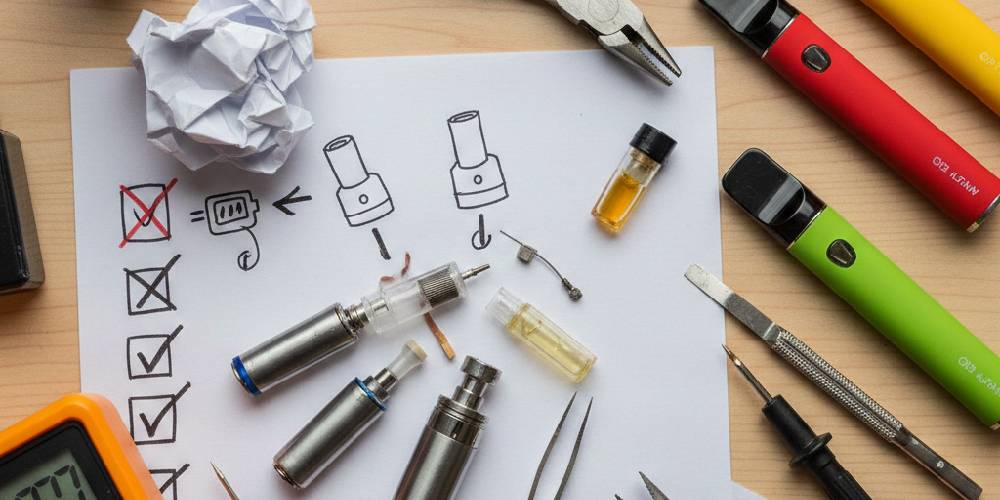
Few things are more frustrating than reaching for your disposable vape and getting nothing no vapor, no flavor, not even a weak hit. If you’re dealing with a disposable vape not hitting, the good news is that most causes are common, well-understood, and often fixable. Disposable vape devices are designed for convenience, but like any compact electronic product, they can run into performance hiccups.
This guide breaks down disposable vape issues explained in a clear, step-by-step checklist. Whether your device stopped hitting suddenly, only works sometimes, or lights up but produces no vapor, this troubleshooting walkthrough will help you identify what’s going on and decide whether it’s fixable or time to replace the device.
Quick Answer: The Most Common Reasons a Disposable Vape Won’t Hit
When a disposable vape stops working, it’s usually due to one of a handful of issues rather than a mystery defect. The most common causes include airflow blockages, low or dead batteries, sensor misfires, temperature-related problems, or the device simply reaching the end of its usable life.
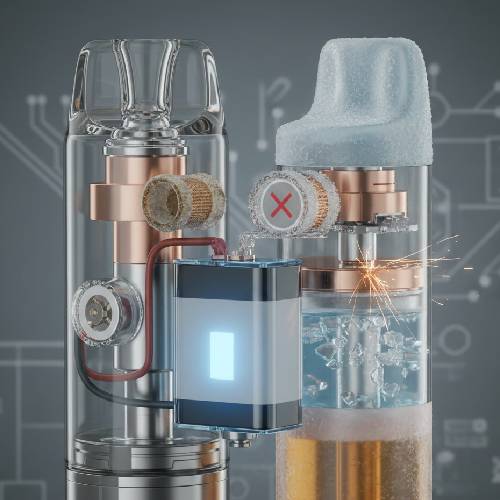
Because disposable vape devices rely on auto-draw sensors, compact batteries, and pre-saturated coils, small changes in airflow, temperature, or usage patterns can temporarily prevent them from firing. Understanding these vape device basics makes troubleshooting much easier.
Step 1: Check for Airflow Blockages
Airflow blockage is the number one reason a disposable vape not hitting issue occurs. Condensation, pocket lint, dust, or even tiny bits of packaging can clog the mouthpiece or internal air channel.
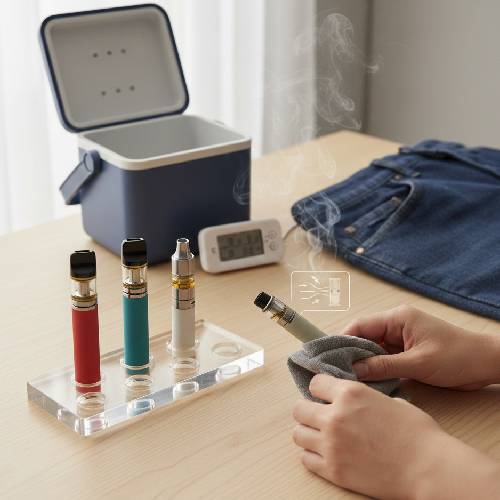
Take a close look at the mouthpiece and airflow holes. If you notice moisture buildup, gently wipe it with a clean cloth or paper towel. Light taps against your palm can help loosen internal condensation. Avoid inserting sharp objects, as that can damage the internal coil or airflow sensor.
Airflow problems often cause devices to feel completely dead even when the battery and e-liquid are fine.
Step 2: Is the Battery Dead or Low?
Disposable vapes rely on small batteries, and once the battery is depleted, the device will stop firing—even if there’s e-liquid left inside. Some modern disposables include displays or LED indicators, but many do not.
If your disposable vape has a rechargeable port, try charging it for 20–30 minutes and test again. If it does not charge or shows no response, the battery may be permanently depleted. This is common with high-puff devices that have been used heavily over time.
In contrast, non-rechargeable disposables stop working as soon as the battery reaches its limit, regardless of remaining liquid.
Step 3: Cold Weather and Temperature Issues
Temperature plays a bigger role in disposable vape performance than most people realize. Cold conditions can thicken e-liquid and reduce battery efficiency, causing the device to stop hitting temporarily.
If your vape has been left in a car or exposed to cold air, let it warm up naturally to room temperature before using it again. Avoid using external heat sources, as overheating can damage internal components or trigger safety shutoffs.
This is one of the most overlooked disposable vape issues explained by manufacturers.
Step 4: E-Liquid Saturation and Dry Coil Issues
Disposable vapes depend on proper e-liquid saturation to function. If the coil dries out, the device may stop producing vapor as a protective response or produce weak hits.
Chain vaping is a common cause. Taking repeated puffs without pauses doesn’t allow e-liquid to re-saturate the coil. Setting the device down for several minutes often restores performance.
This is a simple but effective part of How To Fix A Disposable Vape That Stopped Working when the issue is usage-related rather than mechanical.
/**/
Step 5: Auto-Draw Sensor Problems
Auto-draw sensors activate the device when airflow is detected. If the sensor becomes clogged or misaligned, the vape may light up but fail to produce vapor or not respond at all.
Gently blowing through the mouthpiece (without inhaling) can sometimes clear sensor pathways. Slight changes in draw strength may also help re-engage the sensor. These sensors are sensitive by design, which is why airflow consistency matters.
Sensor issues are especially noticeable in compact disposable vape devices with tighter airflow designs.
Step 6: Device Safety Features and Auto-Shutdowns
Many disposables include built-in safety protections such as short-circuit detection, overheat protection, and maximum draw time limits. When triggered, these systems can permanently disable the device.
If your disposable suddenly stopped working after heavy use or charging, it may have entered a safety shutdown state. Unfortunately, once this happens, the device usually cannot be reset.
This is not a malfunction but a built-in safety measure designed to prevent damage or unsafe operation.
Step 7: LED Light Meanings and Display Indicators
Understanding LED behavior can offer clues. Rapid blinking often indicates a battery issue, while a steady light with no vapor usually points to airflow or sensor problems. No light at all typically means the battery is dead.
Devices with screens may show battery or e-liquid indicators, but these are estimates rather than precise measurements. A display alone does not guarantee the device is functional.
Learning these signals is part of mastering vape device basics.
Step 8: When a Disposable Vape Is Truly Done
Sometimes, a disposable vape not hitting simply means the device has reached the end of its lifespan. Puff counts are estimates, not guarantees, and actual usage varies based on draw length and frequency.
Even premium models like Geek Bar Pulse can stop working earlier than expected if heavily used or exposed to unfavorable conditions. Residual e-liquid does not always mean the device is still usable.
If troubleshooting steps fail and the device shows no signs of recovery, replacement is the most practical solution.
Preventing Future Disposable Vape Problems
Proper storage and usage habits can significantly reduce future issues. Keep devices upright when possible, avoid extreme temperatures, and take steady, spaced-out puffs rather than rapid chain hits.
Wiping the mouthpiece periodically and avoiding pocket storage can also prevent airflow blockages and sensor contamination. These small habits help disposable vape devices perform more consistently over time.
When to Troubleshoot vs When to Replace
Troubleshooting is worthwhile when the issue appears airflow-related, temperature-related, or temporary. However, if the battery is depleted or safety features have engaged, replacement is usually unavoidable.
Understanding the difference saves time and prevents unnecessary frustration. Disposable vapes are designed for simplicity, not repair, and knowing when to move on is part of using them effectively.
Conclusion
A disposable vape not hitting doesn’t always mean the device is defective. In most cases, the issue comes down to airflow, battery limitations, temperature exposure, or usage patterns. By following this troubleshooting checklist, you can quickly determine whether your device can be restored or if it has reached the end of its usable life.
With a basic understanding of disposable vape issues explained and a few preventative habits, you can minimize interruptions and get the most out of your disposable vaping experience.
Frequently Asked Questions
Why does my disposable vape light turn on but not hit?
This usually indicates an airflow blockage or sensor issue rather than a dead battery.
Can a disposable vape stop working with e-liquid left?
Yes. Battery depletion or safety shutdowns can occur before all e-liquid is used.
Why does my disposable vape only hit sometimes?
Inconsistent airflow, condensation, or temperature fluctuations are common causes.
Is it safe to try fixing a disposable vape?
Only basic troubleshooting like clearing airflow or charging rechargeable models is recommended.
How long should a disposable vape last?
It depends on usage habits, draw length, and device design rather than puff count alone.
