
 Home
Home Shop
Shop New Arrivals
 Vape Juice
 Salt Nicotine
 Disposable Vape
 Hardware
 Nicotine Pouches
 Clearance
 Blog
BlogNews
What Is Airflow Control on Vapes and Why It Matters
Jan
Airflow control is one of those vape features that many people use every day without fully understanding. You twist a ring, slide a switch, or just inhale and the vape behaves differently. Sometimes it feels smooth and flavorful. Other times it’s harsh, weak, noisy, or unsatisfying.
The difference usually comes down to airflow. Whether you’re using disposable vapes, pod systems, or advanced mods, airflow plays a direct role in how vapor feels, tastes, and performs. Understanding how it works gives you more control over your experience and helps you avoid common mistakes that frustrate new and experienced users alike.
What Is Airflow Control on a Vape?
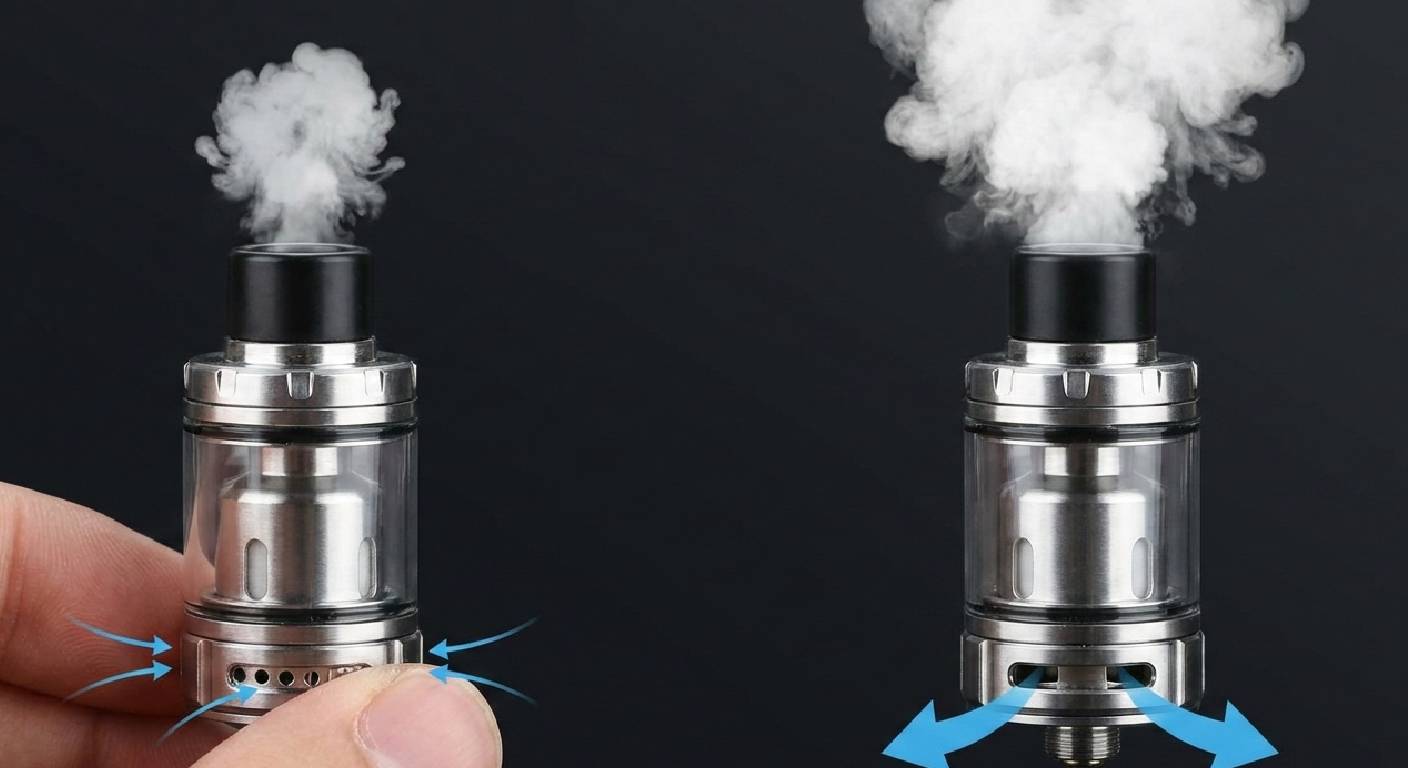
Airflow control refers to how much air is allowed to pass through a vape device when you inhale. That airflow mixes with vapor produced by the coil and e-liquid, shaping the overall draw, flavor intensity, vapor density, and throat sensation.
When airflow is restricted, less air mixes with the vapor. When airflow is open, more air enters the system. Neither option is “better” on its own—the ideal setting depends on how you inhale, what device you’re using, and what kind of experience you prefer.
In simple terms, airflow control is how a vape breathes.
How Airflow Control Works
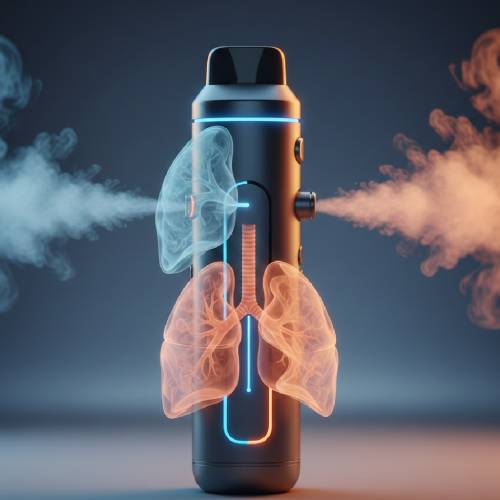
Although airflow feels simple to adjust, there’s a lot happening inside the device. Air enters through intake ports, travels past the coil, mixes with vapor, and exits through the mouthpiece. How that path is designed matters.
Airflow Rings and Sliders
Many devices use external airflow adjustments like rotating rings or sliding switches. These physically open or close air intake holes.
- Opening airflow allows more air into the device
- Closing airflow restricts how much air enters
- Small adjustments can make noticeable differences
Some modern disposables, including models like the Geek Bar Pulse, integrate airflow tuning internally, even if there’s no visible control. The device is still engineered with a specific airflow profile in mind.
/**/
Internal vs External Airflow Design
External airflow controls are adjustable by the user, while internal airflow designs are fixed by the manufacturer. Internal airflow relies on the placement of air channels, coil position, and chimney size.
Internal airflow design is especially important for disposables, where user adjustment may be limited or nonexistent.
Tight vs Open Airflow — What’s the Difference?
Airflow generally falls into two broad categories: tight (restricted) and open (airy). Each creates a very different experience.
Tight Airflow (Restricted Draw)
Tight airflow limits how much air passes through the device. This creates a more concentrated vapor.
- Warmer vapor feel
- Stronger flavor concentration
- More controlled, cigarette-like draw
Restricted airflow is often preferred by users who take shorter, slower puffs and value flavor clarity over cloud size.
Open Airflow (Airy Draw)
Open airflow allows a larger volume of air to mix with vapor.
- Cooler vapor temperature
- Larger vapor clouds
- Lighter, smoother draw
Airy airflow works well for longer inhales and users who enjoy a more relaxed, less concentrated sensation.
Why Airflow Control Matters More Than You Think
Airflow doesn’t just change how a vape feels it affects nearly every aspect of performance. From flavor delivery to coil stress, airflow is part of the device’s core function.
Proper airflow supports balanced vape airflow dynamics, ensuring vapor production and inhalation feel natural rather than forced or inconsistent.
Airflow and Flavor Clarity
Flavor perception is highly sensitive to airflow. Too much air can wash flavors out, making them taste muted or thin. Too little air can over-concentrate vapor, making flavors feel sharp or overwhelming.
Balanced airflow helps flavors remain clear, layered, and consistent from puff to puff. This is especially noticeable in fruit and dessert profiles, where subtle notes are easy to lose.
Airflow and Vapor Production
Vapor volume is directly tied to airflow. More air generally produces larger clouds, while restricted airflow creates denser vapor.
However, vapor production isn’t just about airflow alone. It’s the relationship between airflow, coil heat, and power delivery. When airflow and heat are mismatched, vapor can feel weak, hot, or inconsistent.
Airflow Control on Different Vape Types
Not all devices handle airflow the same way. Design choices vary by category.
Disposable Vapes
Most disposable vapes use fixed airflow tuned by the manufacturer. Some newer models offer limited adjustability, but many rely on internal engineering.
This makes airflow design especially important, since users can’t always correct a poor setup. Well-designed disposables feel smooth and consistent without requiring adjustments.
Pod Systems
Pod systems often include adjustable airflow, either on the device body or the pod itself. This allows users to fine-tune their draw based on coil type and e-liquid thickness.
Pod airflow control is ideal for users who want flexibility without the complexity of advanced mods.
Box Mods and Tanks
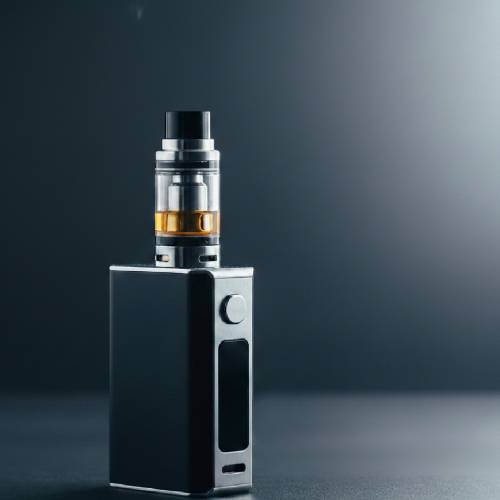
Box mods and tanks offer the most airflow control. Large airflow slots, precision rings, and customizable builds allow experienced users to dial in exact preferences.
These systems demonstrate how airflow and inhalation mechanics work together at a detailed level.
Common Airflow Mistakes New Users Make
Airflow is often misunderstood, especially by new vapers.
- Leaving airflow fully open by default
- Closing airflow too much and overheating vapor
- Ignoring airflow when changing devices
- Confusing power problems with airflow issues
Most “bad hits” aren’t device failures—they’re airflow mismatches.
How to Find Your Ideal Airflow Setting
There’s no universal best airflow. The goal is balance.
A Simple Airflow Adjustment Method
Start with airflow halfway open. Take a slow inhale and notice the vapor temperature, flavor intensity, and draw resistance.
Adjust slightly tighter if flavor feels weak. Open airflow gradually if vapor feels too warm or dense. Small movements matter more than dramatic changes.
Signs Your Airflow Setting Needs Adjustment
Your vape usually tells you when airflow isn’t right.
- Harsh or overly warm vapor
- Muted or flat flavor
- Whistling or airy sound
- Inconsistent vapor output
If something feels off, airflow is a good place to start troubleshooting.
Airflow vs Power — Why They’re Not the Same
Airflow and power work together, but they aren’t interchangeable. Increasing power without adjusting airflow can overheat vapor. Increasing airflow without enough power can thin vapor out.
Think of power as how much vapor is created, and airflow as how that vapor is delivered.
Does Airflow Affect Device Longevity?
Yes. Poor airflow can stress coils and internal components. Restricted airflow traps heat, while excessive airflow can cause uneven vaporization.
Balanced airflow helps devices run cooler, more consistently, and with fewer performance issues over time.
Conclusion
What Is Airflow Control on Vapes and Why It Matters comes down to understanding how air shapes every part of the vaping experience. Airflow affects flavor, vapor density, smoothness, device performance, and even longevity.
Once you understand airflow, vaping becomes less about guesswork and more about control. Small adjustments can turn a frustrating vape into a satisfying one and that’s why airflow matters more than most people realize.
FAQs About Vape Airflow Control
Should airflow be fully open or closed?
Neither extreme is ideal for most users. Mid-range airflow usually provides the best balance of flavor and smoothness.
Can airflow be adjusted while using the vape?
Yes, on adjustable devices. Many users fine-tune airflow between puffs to match their inhale style.
Why does my vape whistle or feel airy?
This often happens when airflow is too open or misaligned, allowing air to pass through unevenly.
