
 Home
Home Shop
Shop New Arrivals
 Vape Juice
 Salt Nicotine
 Disposable Vape
 Hardware
 Nicotine Pouches
 Clearance
 Blog
BlogNews
Vape Battery Safety 101: Charging Tips, USB-C Myths, and Best Practices

Feb
Modern vape devices are more powerful and convenient than ever. With larger batteries, USB-C charging ports, and extended puff counts, today’s devices are designed for performance and portability. But as capacity increases, so does the importance of vape battery safety.
Whether you use pod systems, box mods, or rechargeable disposables like the Geek Bar Pulse rechargeable disposable, understanding how to properly charge and care for your battery protects both your device and your peace of mind. In this complete guide, we’ll break down charging tips, common USB-C myths, and battery charging best practices that every vaper should know.
Understanding How Vape Batteries Work
The Basics of Lithium-Ion Technology
Most modern vape devices rely on lithium-ion batteries. These batteries are popular because they store a large amount of energy in a compact space, recharge quickly, and maintain consistent power output.
However, proper handling is essential. Lithium-ion battery safety depends on stable charging conditions, temperature control, and avoiding physical damage. When used correctly, these batteries are reliable and long-lasting. When misused, they can degrade prematurely or become hazardous.
Built-In vs. Removable Batteries
There are two primary battery types in vape devices:
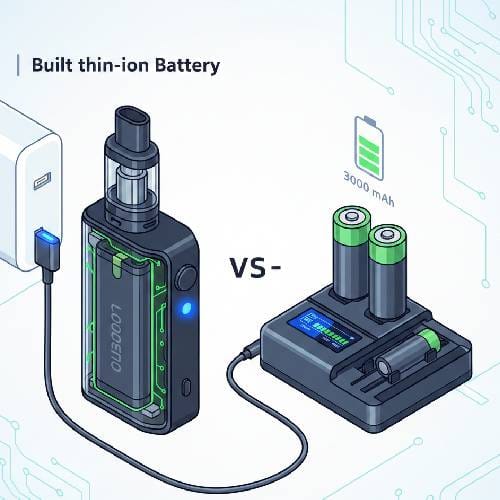
- Built-in rechargeable batteries – Found in most pod systems and many disposable vape devices.
- Removable batteries – Common in advanced box mods using 18650 or 21700 cells.
Built-in batteries are sealed inside the device and include internal protection circuitry. Removable batteries require external chargers and careful handling. Each design can be safe when used correctly, but removable batteries demand more user awareness.
What mAh Really Means
Battery capacity is measured in milliamp-hours (mAh). A higher mAh rating means the battery can run longer between charges—but it does not automatically mean it charges faster or is safer. Charging speed depends on both the device’s internal design and the charger being used.
Safe Charging Fundamentals
Use the Correct Cable and Adapter
One of the most overlooked aspects of vape battery safety is charger compatibility. Even if your device uses USB-C, not all charging bricks are equal. Phone chargers, laptop adapters, and high-wattage fast chargers may deliver more power than your vape is designed to handle.
Whenever possible, use the cable included with your device and a moderate-output wall adapter (typically 5V/1A or 5V/2A unless otherwise specified by the manufacturer).
Charge on a Hard, Flat Surface
Always place your device on a stable, non-flammable surface while charging. Avoid soft materials like beds, couches, or car seats. Hard surfaces allow heat to dissipate properly and reduce fire risk.
Do Not Charge Unattended
Overnight charging may seem convenient, but leaving any electronic device unattended for long periods increases risk. It’s better to charge your vape during the day when you can periodically check it.
Watch for Heat
Slight warmth during charging is normal. Excessive heat is not. If your device becomes unusually hot, disconnect it immediately and allow it to cool before further use.
USB-C Charging: Facts vs. Myths
Myth #1: USB-C Means It’s Automatically Safe
USB-C is simply a connector type. It does not guarantee fast charging compatibility or built-in protection. Some devices support Power Delivery (PD), while others are engineered for standard charging speeds only.
Using a high-powered laptop charger on a small vape device can stress internal components if the device isn’t designed for that level of power.
Myth #2: Any USB-C Cable Will Work the Same
Cables vary in quality and power handling capability. Cheap or damaged cables may cause inconsistent charging or overheating. Invest in durable cables from reputable manufacturers.
Myth #3: USB-C Eliminates All Battery Problems
While modern devices often include safety protections, no connector type eliminates user responsibility. Safe charging habits remain essential for long-term reliability.
Common Vape Battery Mistakes to Avoid
Even experienced users can develop unsafe habits. Avoid these common errors:
- Using frayed or damaged charging cables
- Charging in extremely hot or cold environments
- Continuing to use a dropped device without inspection
- Ignoring signs of battery swelling
- Using counterfeit replacement batteries in box mods
Consistent awareness plays a major role in maintaining lithium-ion battery safety.
Battery Charging Best Practices for Longer Lifespan
Avoid Deep Discharges
Allowing your battery to drop to 0% frequently can reduce its lifespan. Instead, recharge when it reaches around 20–30% capacity.
Don’t Keep It at 100% Constantly
Leaving a device plugged in for hours after it reaches full charge can stress battery cells. Unplug once fully charged whenever possible.
Store at Room Temperature
Extreme temperatures degrade battery chemistry. Never leave vape devices in hot cars or freezing conditions. Ideal storage temperatures range between 60–75°F.
Keep Charging Ports Clean
Dust and pocket lint can accumulate inside USB-C ports. Gently clean with a dry cotton swab or compressed air to prevent connection issues.
Traveling with Vape Batteries Safely
If you travel frequently, understanding airline lithium battery regulations is important. Most airlines require lithium batteries to be carried in your carry-on bag rather than checked luggage.
Before flying:
- Turn devices completely off
- Protect firing buttons from accidental activation
- Store removable batteries in protective cases
Rechargeable disposables such as the Geek Bar Pulse rechargeable disposable should always remain in your carry-on to comply with airline policies.
/**/
Warning Signs It’s Time to Replace Your Battery
No battery lasts forever. Watch for these indicators:
- Rapid battery drain
- Overheating during normal use
- Inconsistent firing
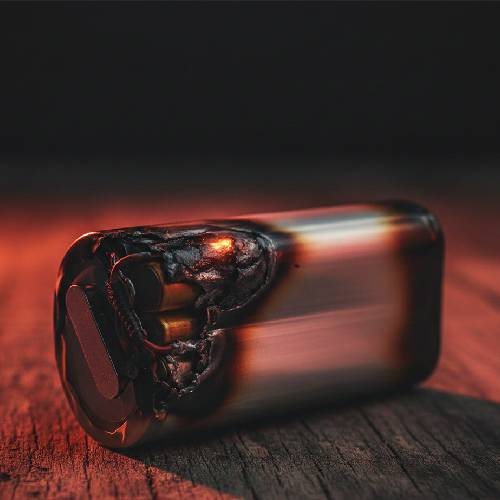
- Visible swelling or warping
- Burning smell while charging
If you notice any of these warning signs, discontinue use immediately and dispose of the battery responsibly.
Disposable Vapes vs. Rechargeable Mods: Safety Differences
Modern disposable vape devices increasingly feature rechargeable ports to extend usage. These designs typically include built-in safety circuits that regulate charging and prevent overcurrent issues.
Advanced box mods with removable batteries provide more customization but require greater user responsibility. Proper external chargers, correct battery pairing, and safe storage are critical.
Both options can be safe when handled correctly, but the level of user involvement differs significantly.
Proper Disposal and Recycling
Lithium batteries should never be thrown in household trash. Many local electronics stores and recycling centers accept small lithium-ion batteries.
Responsible disposal protects the environment and reduces fire risk in waste facilities. If you use disposable vape devices, check local recycling guidelines for electronics collection programs.
Quick Vape Battery Safety Checklist
- Use manufacturer-recommended charging equipment
- Charge on a hard, flat surface
- Avoid extreme temperatures
- Disconnect once fully charged
- Inspect devices regularly for damage
- Recycle responsibly
Conclusion
Battery technology has made vaping more convenient than ever. USB-C ports, longer-lasting cells, and compact designs improve portability and performance. But convenience should never replace awareness.
Practicing strong vape battery safety habits protects your device, extends battery lifespan, and minimizes risk. Following smart charging routines, understanding lithium-ion battery safety principles, and applying consistent battery charging best practices ensures reliable performance from your device day after day.
When in doubt, prioritize caution. A few simple precautions make all the difference.
Frequently Asked Questions
Is it safe to charge a vape overnight?
It’s safer to charge during the day when you can monitor the device. Unattended charging increases risk.
Can I use my phone charger for my vape?
It depends on the output rating. Use moderate-output chargers that match your device’s specifications.
Why does my vape get warm while charging?
Mild warmth is normal. Excessive heat indicates a problem and should not be ignored.
How long do vape batteries typically last?
Most lithium-ion batteries last 300–500 charge cycles with proper care.
What should I do if my battery swells?
Stop using it immediately and dispose of it at a certified battery recycling location.
