
 Home
Home Shop
Shop New Arrivals
 Vape Juice
 Salt Nicotine
 Disposable Vape
 Hardware
 Nicotine Pouches
 Clearance
 Blog
BlogNews
MTL vs DTL Vaping: What’s the Difference (and Which One Should You Try)?

Feb
If you’ve spent any time browsing vape products or reading device descriptions, you’ve probably seen the terms MTL and DTL. For beginners and experienced users alike, understanding MTL vs DTL vaping can completely change your experience. From airflow and nicotine strength to vapor production and device choice, these two inhalation styles shape everything about how a vape feels.
Quick Answer: What Is the Difference Between MTL and DTL?
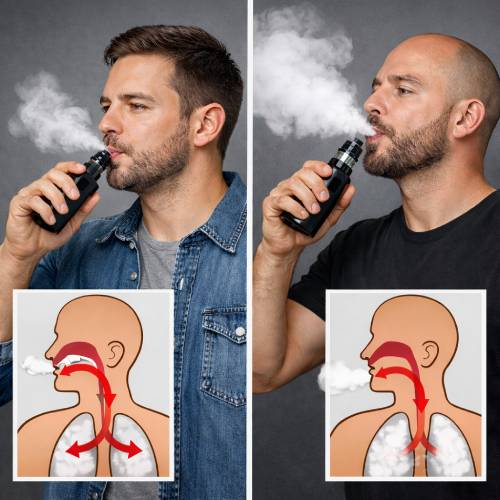
The simplest way to understand MTL vs DTL vaping is how you inhale.
- MTL (Mouth-To-Lung): Vapor is drawn into the mouth first, then inhaled into the lungs.
- DTL (Direct-To-Lung): Vapor is inhaled directly into the lungs in one smooth breath.
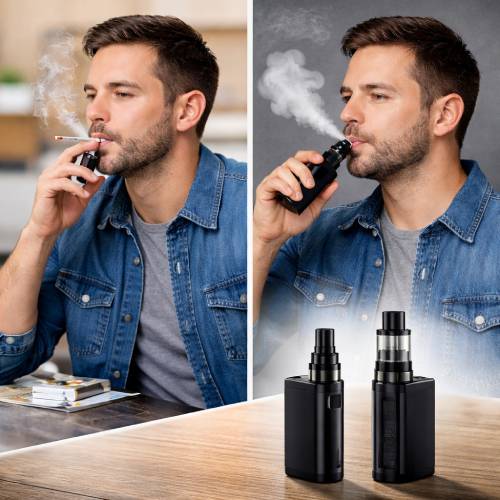
MTL feels similar to how traditional cigarettes are smoked, while DTL is closer to taking a deep breath through a wide straw. Each style uses different airflow, coil resistance, and nicotine strengths to deliver a distinct experience.
What Is Mouth to Lung Vaping?
Mouth to lung vaping is the more traditional inhalation method. You draw vapor into your mouth, pause briefly, and then inhale it into your lungs. The draw is typically tighter, with more resistance from the airflow.
How MTL Devices Are Built
MTL setups usually feature:
- Higher-resistance coils (often 0.8Ω to 1.8Ω)
- Lower wattage output
- Tighter airflow systems
- Smaller vapor production
These characteristics create a discreet vapor cloud and a stronger throat sensation, especially when paired with higher nicotine strengths or nicotine salts.
Who Prefers MTL?
MTL is often chosen by:
- Former smokers transitioning to vaping
- Users who prefer stronger nicotine satisfaction
- People who want smaller vapor clouds
- Those using compact pod systems or disposable vape devices
Many beginner-friendly devices are designed specifically for this style because it feels familiar and easy to control.
What Is Direct Lung Vaping?
Direct lung vaping explained in simple terms: instead of holding vapor in your mouth first, you inhale it straight into your lungs in one continuous breath. The draw is airy and open, allowing for larger vapor production.
How DTL Devices Differ
DTL setups typically include:
- Low-resistance coils (sub-ohm, usually below 0.6Ω)
- Higher wattage output
- Wide-open airflow
- High vapor production
This combination creates thick clouds and intense flavor output. Because more vapor is inhaled per puff, lower nicotine strengths are usually recommended.
Who Chooses DTL?
DTL is popular among:
- Flavor chasers
- Cloud enthusiasts
- Experienced vapers
- Users of advanced mods and sub-ohm tanks
Some high-capacity disposables now blur the line, offering adjustable airflow that can lean toward a restricted DTL draw while still remaining beginner-friendly.
Airflow: The Core Difference
When comparing MTL vs DTL vaping, airflow is the defining factor.
MTL airflow is tight and restricted, mimicking the resistance of a cigarette. DTL airflow is open and smooth, allowing more air to mix with vapor.
Devices like the Geek Bar Pulse 15000 disposable often feature adjustable airflow controls. This allows users to experiment with slightly tighter or looser draws, making it possible to find a personalized balance between the two styles.
/**/
Nicotine Strength and Satisfaction
Your inhalation style influences the nicotine strength you should choose.
MTL and Nicotine
Because MTL produces less vapor per puff, users often select higher nicotine strengths. Nicotine salts are common in this category because they provide a smooth inhale even at elevated concentrations.
DTL and Nicotine
DTL produces significantly more vapor. Using high nicotine levels in a DTL setup can feel overwhelming. That’s why lower strengths are typically recommended for sub-ohm devices.
Understanding this relationship prevents discomfort and helps create a balanced experience.
Flavor Performance: Which Is Better?
Flavor delivery depends on coil design, wattage, and airflow.
MTL tends to offer concentrated, defined flavor notes due to lower airflow and tighter draws. DTL, on the other hand, often produces bold, expansive flavor because of increased vapor volume.
Modern disposable vape devices have improved significantly. Mesh coil technology and enhanced wicking systems allow even compact MTL-focused devices to deliver impressive flavor clarity.
Cloud Production: Subtle vs Massive
Cloud size is one of the most visible differences.
- MTL: Smaller, discreet vapor clouds
- DTL: Large, dense clouds
If discretion is important, MTL is usually preferred. If you enjoy visible vapor and open airflow, DTL may be more appealing.
Device Types That Match Each Style
Best Devices for MTL
- Pod systems
- Higher-resistance coil tanks
- Compact disposables
- Nicotine salt-focused products
Many modern disposables are tuned for mouth to lung vaping to accommodate beginners and transitioning smokers.
Best Devices for DTL
- Sub-ohm tanks
- Box mods
- High-wattage regulated devices
- Advanced airflow systems
Some larger disposable vape devices now incorporate dual mesh coils and adjustable airflow, offering a restricted DTL option for users who want more vapor without managing a full mod setup.
Battery and E-Liquid Consumption
Another key element in MTL vs DTL vaping is consumption.
DTL uses more power and more e-liquid per puff because of higher wattage and airflow. This leads to:
- Faster battery drain
- Quicker e-liquid depletion
MTL setups are typically more conservative, making them efficient for everyday use.
High-capacity devices like the Geek Bar Pulse 15000 disposable compensate for increased consumption by including larger e-liquid reservoirs and rechargeable batteries.
Transitioning From Smoking: Which Feels Closer?
For smokers switching to vaping, MTL often feels more natural. The tighter draw and inhale sequence mirror traditional cigarette use.
DTL may feel unfamiliar at first, especially if you’re not used to inhaling large volumes of vapor directly into your lungs.
That said, some users start with MTL and gradually explore restricted DTL as they become comfortable.
Can You Switch Between MTL and DTL?
Yes, but it depends on your device.
Some advanced setups allow coil changes and airflow adjustments to accommodate both styles. Many modern disposable vape devices, especially those with airflow sliders, can lean toward either side.
However, the coil resistance and power output ultimately determine the primary style. A high-resistance coil will never truly behave like a sub-ohm DTL setup.
Pros and Cons of Each Style
MTL Pros:
- Lower vapor production
- Efficient e-liquid use
- Higher nicotine compatibility
- Familiar inhale style
MTL Cons:
- Smaller clouds
- Less dramatic vapor output
DTL Pros:
- Large cloud production
- Bold flavor intensity
- Open, airy inhale
DTL Cons:
- Higher e-liquid consumption
- Requires lower nicotine strength
- Less discreet
How to Choose the Right Style for You
Choosing between MTL and DTL depends on personal preference, nicotine goals, and device type.
Ask yourself:
- Do you prefer a cigarette-like draw?
- Do you want strong nicotine per puff?
- Are large vapor clouds important to you?
- Do you want something discreet for daily use?
If you value familiarity and subtle vapor, MTL is likely your match. If you enjoy airflow, clouds, and expansive flavor, DTL may be the better choice.
Final Thoughts on MTL vs DTL Vaping
Understanding MTL vs DTL vaping helps you choose devices, nicotine strength, and airflow settings with confidence. There’s no universal “better” option only what aligns with your preferences.
Mouth to lung vaping offers control, efficiency, and a familiar inhale. Direct lung vaping delivers airflow, cloud production, and bold performance. With today’s evolving hardware including adjustable disposable vape devices and high-capacity options like the Geek Bar Pulse 15000 disposable the line between the two continues to blur.
If you’re unsure, start with a device that offers adjustable airflow. Experiment with draw resistance and nicotine strength until you find what feels natural. The right inhale style can transform your entire vaping experience.
FAQs
Is MTL or DTL better for beginners?
For most beginners, MTL vs DTL vaping comparisons usually favor mouth to lung vaping. The tighter draw feels more familiar to former smokers and works well with higher nicotine strengths. However, some newer disposable vape devices with adjustable airflow can offer a mild restricted DTL option for those who prefer a looser inhale.
Can I use the same device for both MTL and DTL vaping?
It depends on the device. Some advanced setups allow coil swaps and airflow adjustments to support both styles. Many modern high-capacity disposables, including options like the Geek Bar Pulse 15000 disposable, offer airflow control that lets users experiment between tighter and airier draws, though coil resistance ultimately determines the primary style.
Does MTL or DTL use more e-liquid?
Direct lung vaping typically uses more e-liquid because it operates at higher wattage and produces larger vapor clouds. Mouth to lung vaping is generally more efficient, consuming less battery power and e-liquid per puff. Choosing the right style depends on whether you prioritize efficiency or cloud production.
