
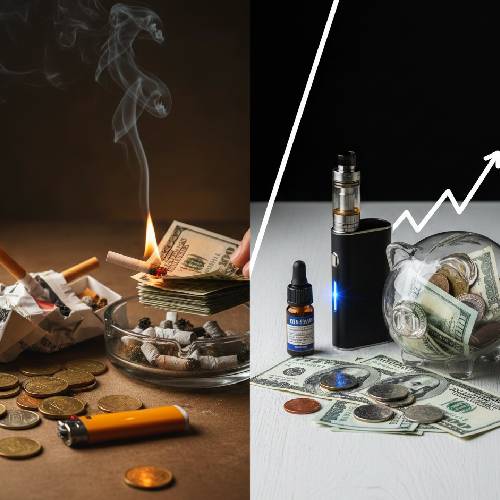
Cigarette prices keep climbing, and many adults are asking a practical question: is vaping cheaper than smoking? Whether you’re budgeting weekly expenses or looking at long-term spending, the financial difference between cigarettes and modern vape products can be significant.
In this guide, we’ll break down the real numbers daily, weekly, monthly, and yearly. We’ll compare the cost of smoking cigarettes to disposable vape devices and refillable setups, highlight hidden expenses, and show realistic savings scenarios. By the end, you’ll have a clear picture of where your money actually goes.
Quick Answer: Is Vaping Actually Cheaper?
For most regular smokers, yes, vaping cheaper than smoking is often the reality when you look strictly at daily and monthly spending. The average pack of cigarettes in the United States typically ranges from $7 to over $15 depending on state taxes. That means a one-pack-per-day smoker can easily spend anywhere from $210 to $450 per month. In higher-tax states, the number can climb even further. Over the course of a year, that adds up to thousands of dollars spent on cigarettes alone, without factoring in small add-on purchases like lighters or gas station markups.
By comparison, many disposable vape devices or refillable systems cost significantly less per day when used at a moderate pace. A single disposable device can last several days to two weeks depending on usage, and refillable systems often reduce cost per day even further once the initial device is purchased. However, the total depends heavily on personal habits, product choice, and how consistently someone uses their device. Just like any consumer category, spending can vary widely between casual users and heavy users.
The biggest financial advantage usually appears when someone switches from smoking a full pack per day and maintains controlled vaping habits. Choosing reasonably priced products and finishing devices before replacing them helps maximize savings. On the other hand, extremely heavy vaping or constantly upgrading to the newest models can shrink the financial gap. Overall, moderation and mindful purchasing make the difference.
The Real Cost of Smoking
Average Cost Per Pack in 2026
The cost of smoking cigarettes varies by location. In lower-tax states, packs may average $7–$8. In higher-tax states, prices commonly exceed $12 per pack. For this breakdown, we’ll use a conservative national average of $9 per pack.
Daily Smoking Cost
-
1 pack per day: $9 per day
- ½ pack per day: $4.50 per day
Weekly Smoking Cost
-
1 pack/day: $63 per week
- ½ pack/day: $31.50 per week
Monthly Smoking Cost (30 days)
-
1 pack/day: $270 per month
- ½ pack/day: $135 per month
Yearly Smoking Cost
-
1 pack/day: $3,285 per year
- ½ pack/day: $1,642 per year
And that’s using moderate pricing. In high-tax states, annual costs can exceed $4,000 per year.
The Real Cost of Vaping
Now let’s examine disposable vape devices and refillable systems.
Disposable Vape Cost Breakdown
Modern disposables often offer 10,000–25,000 puffs. A device like the Geek Bar Pulse disposable may retail around $15–$20 depending on location and retailer.
For a moderate user, a 15,000-puff disposable can last approximately 7–14 days. Heavy users may finish one in 5–7 days, while lighter users may stretch it to two weeks or more.
Example:
$18 disposable lasting 10 days = $1.80 per day
Refillable Vape Cost Breakdown
A refillable setup includes:
- Starter kit: $25–$50 (one-time purchase)
- E-liquid: $15–$25 per bottle (lasting 1–2 weeks)
- Replacement coils: $10–$20 per pack
Average moderate refillable user:
- $20 e-liquid every 10 days = $2 per day
- Coils averaged out = ~$0.50 per day
- Total estimated daily cost: $2.50 per day
After the initial device purchase, ongoing costs remain relatively stable.
/**/
Side-by-Side Cost Comparison
Daily Comparison
-
Smoking (1 pack/day): $9.00
-
Disposable vaping: $1.80–$3.00
- Refillable vaping: $2.00–$3.50
Weekly Comparison
-
Smoking: $63
-
Disposable vaping: $13–$21
- Refillable vaping: $15–$25
Monthly Comparison
-
Smoking: $270
-
Disposable vaping: $60–$90
- Refillable vaping: $70–$100
Yearly Comparison
-
Smoking: ~$3,285
-
Disposable vaping: $720–$1,080
- Refillable vaping: $840–$1,200
Even on the higher end of vaping expenses, the difference can exceed $2,000 per year for a pack-a-day smoker.
Hidden Costs People Forget About
Smoking Hidden Costs
- Lighters and matches
- Gas station convenience markups
- Frequent price increases due to taxes
- Time spent purchasing
These smaller expenses add up, increasing the true cost of smoking cigarettes beyond just pack price.
Vaping Hidden Costs
- Replacement coils
- Charging cables
- Impulse device upgrades
- Trying multiple flavors at once
Consumer spending on vaping can increase if users frequently buy new models or experiment heavily with premium products.
What Affects the Cost the Most?
The answer to whether vaping cheaper than smoking applies to you depends on a few key variables. Location plays a major role because state taxes dramatically impact cigarette prices, sometimes doubling the monthly expense compared to lower-tax regions. Usage habits also matter. Someone who vapes heavily throughout the day may spend more than a moderate user who spaces out sessions. Device type is another factor, since premium devices often cost more upfront, even if they offer longer lifespan or added features.
Buying behavior and brand selection can further shift the numbers. Purchasing products in bulk typically lowers the cost per unit, while frequently buying single items at convenience stores can increase spending. Choosing high-end or premium-branded products may also raise overall monthly costs. In most cases, moderation and consistent purchasing habits tend to maximize savings and create the largest financial gap between cigarettes and vape products.

Long-Term Financial Impact (1 Year & 5 Years)
Let’s compare a one-pack-per-day smoker and a moderate disposable vape user.
-
Year 1: Smoking: $3,285
Vaping (avg $900): ~$900
Savings: ~$2,385 -
Five Years: Smoking: ~$16,425
Vaping: ~$4,500
Potential Savings: ~$11,925
That difference could cover major purchases, travel, or long-term savings contributions.
When Vaping Might Not Be Cheaper
While many people find that vaping cheaper than smoking holds true, there are situations where the savings can shrink or even disappear. Extremely heavy vape consumption can increase daily usage to the point where devices are replaced frequently, raising monthly costs. Constantly upgrading to the newest models or limited-edition releases can also add up quickly. If someone buys multiple disposables before finishing the ones they already have, spending naturally increases beyond what’s necessary. Premium-only e-liquid purchases or specialty devices with higher price tags can further narrow the financial gap.
In these cases, the issue is not the category itself but spending habits. Financial benefits depend largely on controlled purchasing, finishing products before replacing them, and choosing reasonably priced options. When usage remains consistent and intentional, the cost difference tends to stay in favor of vaping. Without that discipline, however, the savings become less noticeable over time.
Final Verdict
For most adults, vaping cheaper than smoking is not just marketing — it’s a measurable financial difference. The gap widens significantly for pack-a-day smokers in higher-tax states. Even moderate disposable vape use generally costs far less than daily cigarette purchases.
However, savings depend on consistent usage patterns and avoiding unnecessary upgrades. If you track your real daily spending and compare it honestly, the numbers often speak for themselves. If you’re evaluating long-term expenses, calculating your personal daily usage is the most accurate way to determine what makes financial sense for you.
Frequently Asked Questions
How much money do you save by switching?
Most pack-a-day smokers save between $1,500 and $2,500 annually depending on state pricing and vaping habits.
Are disposable vape devices more expensive than refillables?
Disposables typically cost slightly more long term than refillable setups but still less than traditional cigarettes for most users.
How much does the average smoker spend per month?
At $9 per pack, a one-pack-per-day smoker spends about $270 per month. In higher-tax states, it can exceed $350.
Does location matter?
Yes. State cigarette taxes dramatically change the price difference between products.