
 Home
Home Shop
Shop New Arrivals
 Vape Juice
 Salt Nicotine
 Disposable Vape
 Hardware
 Nicotine Pouches
 Clearance
 Blog
BlogNews
E-Liquid Ingredients Explained: VG, PG, Flavorings, Nicotine & Sweeteners
Feb
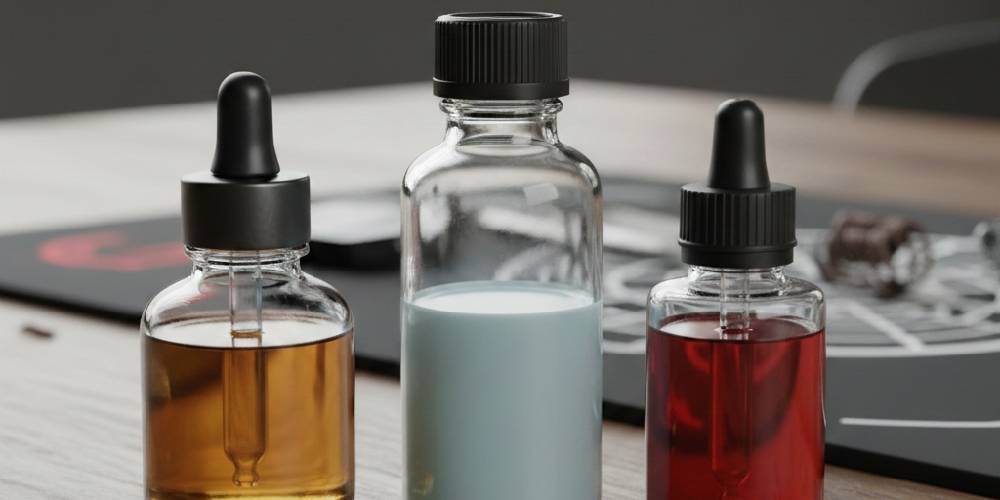
If you’ve ever picked up a bottle of vape juice and wondered what’s actually inside it, you’re not alone. Understanding e-liquid ingredients helps you choose the right blend for your device, your flavor preferences, and your vaping style. Whether you’re using a pod system, a sub-ohm tank, or exploring premium lines like the Naked 100 e-liquid collection, knowing what goes into your bottle makes a big difference.
At its core, vape juice is made from a small group of carefully balanced components. Each ingredient plays a specific role in vapor production, flavor delivery, throat hit, and overall performance. In this guide, we’ll break down vegetable glycerin, propylene glycol, flavorings, nicotine types, and sweeteners—so you can confidently understand what you’re vaping and why it behaves the way it does.
What Are E-Liquid Ingredients Made Of?
Most vape juices contain five main components:
- Vegetable glycerin (VG)
- Propylene glycol (PG)
- Flavor concentrates
- Nicotine (optional)
- Sweeteners (optional)
While the formula may look simple, the ratios and quality of these ingredients dramatically affect your experience. A high-VG blend will produce dense clouds, while a balanced 50/50 mix delivers sharper flavor and a stronger throat hit. Understanding these building blocks is the first step toward choosing the right vape juice for your setup.

Vegetable Glycerin (VG) Explained
What Is Vegetable Glycerin?
Vegetable glycerin is a thick, plant-derived liquid commonly used in food and cosmetic products. In vape juice, vegetable glycerin serves as the primary vapor-producing ingredient. It has a slightly sweet taste and a smooth consistency, which contributes to a softer inhale.
What Does VG Do in Vape Juice?
VG is responsible for producing those large, dense vapor clouds many sub-ohm users enjoy. Because it’s thicker than propylene glycol, it works best in higher-wattage devices with larger coil openings. High-VG blends also tend to feel smoother on the throat, making them popular among direct-to-lung vapers.
Common VG Ratios
You’ll often see blends like 70/30 VG/PG or even 80/20 VG/PG. These are ideal for cloud production and high-powered tanks. However, the thickness can lead to faster coil buildup, especially when sweeteners are present. Choosing the right VG ratio depends on your device and airflow design.
Propylene Glycol (PG) Explained
What Is Propylene Glycol?
Propylene glycol is a thinner, odorless liquid widely used in food and pharmaceutical applications. In vape juice, propylene glycol plays a critical role as a flavor carrier. Because it’s less viscous than VG, it absorbs and delivers flavor more efficiently.
What Does PG Do in E-Liquid?
PG enhances flavor clarity and produces a more noticeable throat sensation. This makes it especially popular in mouth-to-lung (MTL) devices and pod systems. A 50/50 blend is common in nicotine salt e-liquids because it balances flavor intensity with smooth vapor production.
High PG vs Balanced Blends
Higher PG ratios offer stronger flavor definition and quicker wicking in smaller coils. Balanced blends (50/50 or 60/40) are often used in salt nicotine formulas, while higher VG blends cater to sub-ohm users. Matching your ratio to your hardware ensures better performance and fewer leaks.
Flavorings in Vape Juice
What Are Vape Flavorings Made From?
Flavor concentrates used in vape juice are typically food-grade and water-soluble. They’re carefully formulated to mix with VG and PG bases without separating. These flavorings range from fruits and desserts to menthols and tobacco-inspired blends.
For example, Cuban Blend by Naked 100 delivers a refined tobacco profile layered with subtle sweetness, demonstrating how carefully balanced flavoring creates depth without overpowering the base ingredients.
/**/
How Flavor Concentration Impacts Taste
Flavor intensity depends on concentration and the VG/PG ratio. Higher PG blends often taste sharper because PG carries flavor more efficiently. Meanwhile, high-VG blends may slightly soften flavor notes but enhance smoothness and vapor density.
Some e-liquids also benefit from steeping, a resting period that allows ingredients to blend fully. Over time, dessert and tobacco profiles can deepen, while fruit flavors become more rounded.
Quality and Transparency Matter
Reputable brands clearly label ingredients and nicotine strength, often including batch numbers and manufacturing details. This transparency helps consumers make informed choices and ensures consistency from bottle to bottle.
Nicotine in E-Liquid
Freebase Nicotine Explained
Freebase nicotine is the traditional form used in vape juice. It’s commonly found in strengths ranging from 0mg to 12mg, making it ideal for sub-ohm devices operating at higher wattages. Because vapor production is greater in these setups, lower nicotine strengths are typically preferred.
Nicotine Salts Explained
Nicotine salts are formulated to deliver smoother inhales at higher strengths, often between 20mg and 50mg. These are best suited for pod systems and lower-wattage devices. The smoother throat feel allows users to comfortably vape higher concentrations without excessive harshness.
Synthetic vs Tobacco-Derived Nicotine
Some brands use tobacco-derived nicotine, while others offer synthetic options. Both serve the same functional purpose in e-liquid ingredients, but sourcing methods differ. Many users find synthetic nicotine to have a cleaner flavor profile, though personal preference plays a large role.
Sweeteners in Vape Juice
Why Sweeteners Are Used
Sweeteners enhance dessert, candy, and fruit blends by adding richness and mouthfeel. Without them, certain flavors may taste flat or incomplete. However, not all e-liquids contain added sweeteners.
Common Sweetening Agents
Sucralose and ethyl maltol are commonly used to boost sweetness. These compounds help intensify flavor perception but can contribute to coil buildup over time.
Do Sweeteners Affect Coils?
Yes, heavily sweetened vape juices may shorten coil lifespan due to caramelization on the heating element. If you want longer coil performance, consider lighter fruit blends or tobacco profiles with minimal added sweetener.
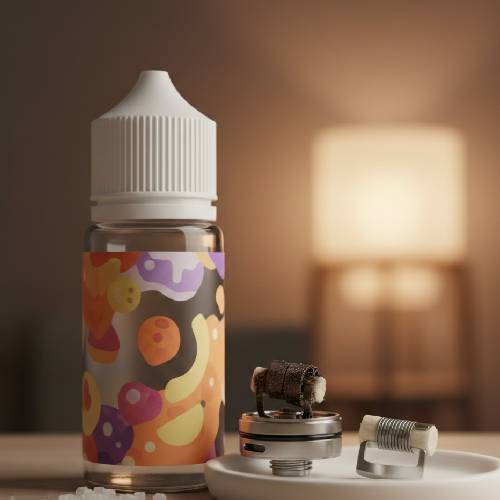
Understanding VG/PG Ratios and Device Compatibility
Choosing the right blend isn’t just about flavor—it’s about compatibility. Here’s a simple breakdown:
- 50/50 VG/PG: Ideal for pod systems and salt nicotine e-liquids.
- 60/40 VG/PG: Balanced option for moderate vapor and flavor.
- 70/30 VG/PG: Best for sub-ohm tanks and large cloud production.
Using the wrong ratio can cause leaking, dry hits, or poor vapor output. Thicker liquids need larger wicking ports, while thinner blends suit smaller coils.
Common Myths About E-Liquid Ingredients
“More VG Means Better Juice”
Not necessarily. While VG produces larger clouds, it can mute flavor in some setups.
“Higher Nicotine Is Always Harsher”
Nicotine salts have changed that perception by offering smoother delivery at higher strengths.
“All Vape Juice Is the Same”
Ingredient sourcing, flavor balance, and manufacturing standards vary widely between brands.
How to Read an E-Liquid Label
Understanding labels ensures you know exactly what you’re buying. Look for:
- Nicotine strength (mg or percentage)
- VG/PG ratio
- Batch numbers
- Manufacturing details
For instance, premium lines like the Naked 100 e-liquid collection clearly list bottle size, strength options, and blend ratios, making it easier to select the right product for your device.
Final Thoughts: Why Understanding Ingredients Matters
When you understand e-liquid ingredients, you gain control over your vaping experience. From vegetable glycerin and propylene glycol ratios to nicotine type and flavor complexity, each component shapes performance and taste.
Whether you prefer bold tobacco notes like Cuban Blend by Naked 100 or smooth fruit profiles with balanced ratios, knowing what’s inside your bottle helps you make smarter decisions. Instead of guessing, you can confidently match your e-liquid to your device and personal preferences.
Vape juice may only contain a handful of ingredients, but the way they interact makes all the difference. Choose wisely, understand your ratios, and enjoy a more informed vaping experience.
Frequently Asked Questions
What are the main e-liquid ingredients?
The main e-liquid ingredients are vegetable glycerin (VG), propylene glycol (PG), flavor concentrates, and optional nicotine and sweeteners. VG controls vapor production, PG enhances flavor and throat hit, flavorings create the taste profile, and nicotine strength determines intensity.
What VG/PG ratio is best for my device?
For pod systems and mouth-to-lung devices, a 50/50 VG/PG blend works best because it wicks efficiently and delivers strong flavor. Sub-ohm tanks perform better with higher VG blends like 70/30, which produce thicker vapor and a smoother inhale.
Do all vape juices contain sweeteners?
No, not all vape juices include added sweeteners. Many fruit and tobacco blends use minimal or no sweeteners to preserve coil life and maintain a cleaner flavor profile. Always check the product description or brand details if you prefer low-sweetener options.
