
 Home
Home Shop
Shop New Arrivals
 Vape Juice
 Salt Nicotine
 Disposable Vape
 Hardware
 Nicotine Pouches
 Clearance
 Blog
BlogDoes Vaping Help You Quit Smoking? A Practical, Step-by-Step Switching Plan
For millions of smokers, quitting cigarettes isn’t just about willpower. It’s about breaking habits that have been reinforced for years sometimes decades. That’s why so many people ask the same question: does vaping help quit smoking, or is it just replacing one habit with another? The answer isn’t black and white, but for many adult smokers, vaping has become a practical stepping stone away from cigarettes.
This guide takes a realistic, step-by-step approach to switching from smoking to vaping. Instead of promises or pressure, it focuses on how people actually make the transition in real life, what works, what doesn’t, and how to give yourself the best chance of success.
Why Quitting Smoking Is So Hard
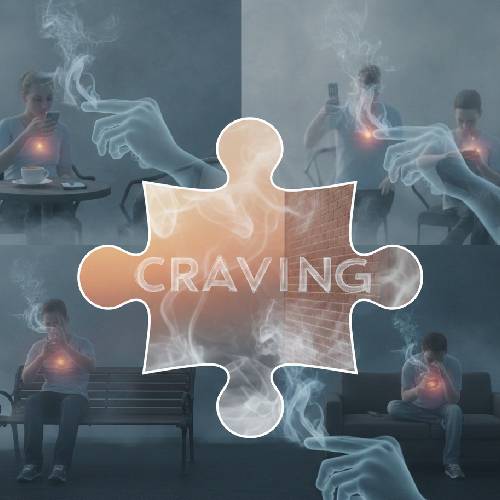
Smoking isn’t just a nicotine habit. It’s a deeply ingrained routine tied to stress, social moments, breaks, and even boredom. Nicotine addiction plays a major role, but the hand-to-mouth action, the inhale, and the timing of cigarettes throughout the day are just as powerful.
This is why many traditional smoking cessation methods fail for some people. Removing nicotine without addressing the behavioral side of smoking can leave a gap that’s hard to fill. When cravings hit, they’re often about routine as much as chemistry.
How Vaping Differs From Smoking
The biggest difference between smoking and vaping is combustion. Cigarettes burn tobacco, creating smoke and ash, while vaping heats e-liquid into vapor. For someone trying to quit smoking, this difference matters because vaping can mimic the physical experience of smoking without the same process.
Vaping also allows for more control. You can choose nicotine strength, flavors, and device styles that suit your needs. This flexibility is one reason many smokers find vaping easier to stick with compared to other smoking cessation methods that remove the ritual entirely.
Does Vaping Actually Help People Quit Smoking?
So, does vaping help quit smoking in practice? For many adult smokers, the answer is yes—but only when it’s used intentionally. Vaping works best as a full replacement, not something used occasionally alongside cigarettes.
People who succeed tend to approach vaping as a transition tool. They use it to satisfy nicotine cravings and habitual urges while gradually reducing their dependence on cigarettes. Those who struggle often fall into “dual use,” where smoking and vaping coexist without a clear plan.
Step 1 – Choose the Right Vape Setup
Your first vape matters more than most people realize. A device that’s too weak, too complicated, or unreliable can make the switch frustrating. Many smokers start with simple options from a disposable vape collection because they don’t require setup, maintenance, or technical knowledge.
Devices like a Geek Bar Pulse disposable vape appeal to new switchers because they offer consistent performance and familiar draw styles. The goal at this stage isn’t perfection—it’s reliability. If your vape doesn’t work when a craving hits, cigarettes quickly creep back in.
Step 2 – Match Your Nicotine Strength to Your Smoking Habits
One of the most common mistakes people make is starting with nicotine levels that are too low. Heavy smokers often underestimate how strong their nicotine addiction really is. When cravings aren’t satisfied, the temptation to “just have one cigarette” grows.
Starting with a nicotine level that matches your smoking habits can actually reduce cigarette use faster. Over time, you can lower nicotine gradually. The goal isn’t to eliminate nicotine immediately, but to stop smoking first.
Step 3 – Replace Cigarettes With Vaping, Not Both
Dual use is one of the biggest barriers to success. Vaping occasionally while still smoking regularly makes it harder for your brain to break the association with cigarettes. A clear rule helps: when you crave a cigarette, you vape instead.
The first few days can feel strange. Cigarettes have a faster nicotine spike, so vaping may feel different at first. Stick with it. Many people report that once cigarettes are removed entirely, vaping becomes more satisfying and cravings level out.
Step 4 – Manage Cravings and Triggers
Cravings often come from specific situations morning routines, stress, driving, or social settings. Vaping can help here because it fits into those moments without forcing you to reinvent your day.
Instead of vaping constantly, use it intentionally. Take a few puffs when a craving hits, then move on. This prevents overuse while still addressing the urge. Over time, the intensity of these triggers often fades.
Step 5 – Gradually Reduce Nicotine Over Time
Once smoking is no longer part of your routine, reducing nicotine becomes much easier. This step doesn’t have a fixed timeline. Some people reduce within weeks, others over months.
Signs you may be ready include vaping less frequently, forgetting where your device is, or feeling satisfied with fewer puffs. Lowering nicotine should feel manageable, not stressful. If cravings spike, it’s okay to pause or step back.
Common Mistakes That Lead Back to Smoking
Many relapses aren’t about failure—they’re about setup. Using a weak device, choosing the wrong nicotine level, or treating vaping as a temporary experiment can all undermine progress.
Another common issue is expecting immediate results. Switching is a process. Slips happen. What matters is returning to the plan instead of abandoning it entirely.
Is Vaping Meant to Be Temporary or Long-Term?
This depends entirely on your goal. For some, vaping is a short-term bridge away from cigarettes. For others, it becomes a long-term alternative that replaces smoking completely.
There’s no single correct outcome. What matters is reducing or eliminating smoking in a way that fits your life. Comparing your journey to someone else’s often leads to unnecessary pressure.

Who Vaping May Not Work For
Vaping isn’t a magic solution. People who don’t want to change their routines or who expect instant results may struggle. Motivation still plays a role, even with the right tools.
In these cases, other smoking cessation methods such as behavioral programs or gradual reduction strategies may be worth exploring.
A Realistic Timeline for Switching
The first week is often about adjustment. The first month brings fewer cigarette cravings. By three months, many people feel detached from smoking altogether.
Long-term changes happen quietly. You may notice cigarettes smell unpleasant, or that smoking feels unnecessary. These moments signal real progress.
Conclusion
So, does vaping help quit smoking? For many adult smokers, it can—when used with intention, structure, and patience. Vaping addresses both nicotine addiction and the behavioral side of smoking, which is why it works when other approaches fail.
The key is progress, not perfection. Switching isn’t about doing everything right; it’s about doing enough right, consistently, to move away from cigarettes for good.
Frequently Asked Questions
How long does it take to stop craving cigarettes?
Cravings vary, but many people notice significant improvement within the first few weeks of switching fully to vaping.
Is it normal to vape more at first?
Yes. Increased vaping early on is common and often decreases naturally once cigarette cravings fade.
What if I slip and smoke a cigarette?
A slip doesn’t erase progress. Return to vaping as your primary option and keep moving forward.
Should beginners start with disposables?
Many do, especially from a disposable vape collection, because they’re simple and reliable during the transition.
