
Sub ohm vaping has become one of the most popular performance-driven styles in the modern vape market. Known for dense vapor production, bold flavor delivery, and customizable hardware, it offers a very different experience compared to traditional mouth-to-lung devices. But what exactly does sub ohm vaping mean, and is it the right choice for you?
This complete sub-ohm vaping guide explains how it works, who benefits most from it, what type of e-liquid performs best, and what hardware considerations matter. Whether you’re upgrading your setup or simply researching your options, understanding the mechanics behind sub ohm vaping will help you make smarter decisions.
What Is Sub-Ohm Vaping?
Sub ohm vaping refers to using a coil with an electrical resistance below 1.0 ohm. In vaping, resistance is measured in ohms (Ω), and it directly affects how much power flows from the battery to the coil. When resistance drops below one ohm, more current flows through the coil, producing more heat and, in turn, more vapor.
Standard vape coils usually measure 1.0Ω or higher and are designed for lower wattage use. Sub-ohm coils commonly range from 0.9Ω down to 0.15Ω, depending on the design and intended power output.
Understanding Coil Resistance
Electrical resistance determines how easily electricity moves through a conductor. In vape devices, the coil acts as that conductor. Lower resistance allows more electrical current to pass through, which increases heat production.
Because sub-ohm coils heat faster and reach higher temperatures, they vaporize more e-liquid per puff. This is the foundation of sub ohm vaping’s signature dense vapor and enhanced flavor intensity.
How Sub-Ohm Vaping Works
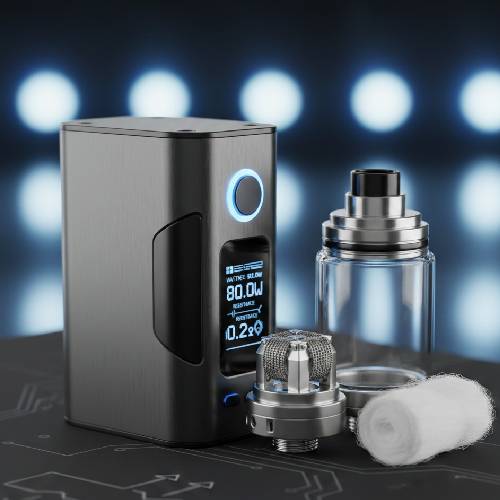
When you press the fire button on a regulated mod, the battery delivers power to the coil. In a sub-ohm setup, the device typically operates at higher wattages to match the coil’s resistance. Modern mesh coils increase surface area, allowing e-liquid to heat more evenly and efficiently.
Sub-ohm devices are designed for direct-to-lung (DTL) inhalation. Instead of drawing vapor into the mouth first, users inhale directly into the lungs, similar to taking a deep breath. This inhale style works best with higher airflow and lower nicotine strengths.
The Role of Wattage and Battery Power
Sub-ohm tanks are paired with regulated box mods capable of delivering adjustable wattage. Because lower resistance draws more power, battery capacity and safety features are critical.
Users should always match coil ratings with device capabilities. Staying within the recommended wattage range ensures consistent performance and helps extend coil life.
How Sub-Ohm Vaping Is Different from Regular Vaping
Vapor Production Comparison
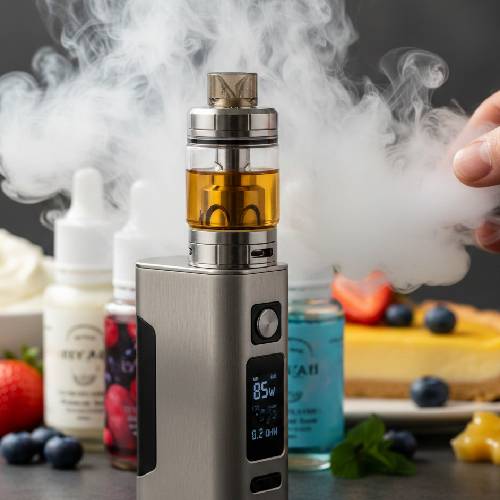
The most noticeable difference is vapor volume. Sub ohm vaping produces significantly larger clouds due to higher wattage and greater e-liquid vaporization per puff. Standard mouth-to-lung setups focus on efficiency and discretion instead.
Flavor Experience Differences
Higher heat levels allow complex flavor notes to develop more fully. Dessert blends feel richer, fruit flavors taste brighter, and layered profiles become more noticeable. Many experienced users switch to sub-ohm setups specifically for flavor enhancement.
Nicotine Strength Differences
Because more vapor is produced per puff, nicotine is delivered more efficiently. This is why lower nicotine strengths are recommended for sub ohm vaping. Using high-strength nicotine in a high-wattage device can feel overly intense.
Who Is Sub-Ohm Vaping For?
Ideal Users
Sub ohm vaping appeals to experienced vapers who enjoy customization. It’s ideal for:
- Flavor-focused users
- Cloud enthusiasts
- Hobbyists who enjoy adjusting wattage and airflow
- Users comfortable with device settings and maintenance
Who Should Avoid Sub-Ohm Vaping
While powerful and satisfying, sub-ohm setups may not be suitable for everyone. It may not be ideal for:
- Brand-new vapers unfamiliar with device adjustments
- Users who prefer higher nicotine strengths
- Those seeking a discreet vaping experience
- People who want minimal maintenance
What Juice to Use for Sub-Ohm Vaping
Best VG/PG Ratio
High-VG e-liquids work best in sub-ohm tanks. Ratios like 70/30 or 80/20 VG/PG provide thicker vapor and smoother inhalation. Vegetable glycerin produces dense clouds and reduces throat harshness at higher wattages.
Nicotine Type Recommendations
Freebase nicotine is typically recommended for sub-ohm devices. Lower strengths pair well with the increased vapor production. Nicotine salts, especially high-strength versions, are generally better suited for lower-wattage mouth-to-lung devices.
Flavor Profiles That Perform Best
Creams, desserts, custards, fruit blends, and menthol profiles tend to perform exceptionally well in sub-ohm tanks. The additional heat enhances sweetness and depth without overwhelming the palate.
Sub-Ohm Coils and Hardware Considerations
Popular Sub-Ohm Coil Types
Mesh coils dominate today’s vape coils collection due to their even heating and larger surface area. Multi-mesh and dual-core coils further increase vapor density and flavor output.
Performance-focused options such as Uwell Valyrian Replacement Coils are engineered for high-wattage stability and airflow efficiency, making them popular among experienced users.
Adjustable Airflow Systems
Airflow plays a major role in balancing vapor density and smoothness. Wide-open airflow cools the vapor and increases cloud production, while slightly restricted airflow can intensify flavor concentration.
Tank and Device Compatibility
Always ensure your mod supports the coil’s resistance range. Regulated devices include safety protections, but proper pairing remains essential for consistent performance.
/**/
Pros and Cons of Sub-Ohm Vaping
Pros
- Produces dense and visually impressive vapor clouds
- Enhances flavor clarity and depth
- Supports adjustable wattage and airflow customization
- Works smoothly with lower nicotine strengths
- Provides a powerful direct-to-lung inhale experience
Cons
- Consumes significantly more e-liquid
- Drains batteries faster due to higher wattage
- Requires more frequent coil replacements
- Less discreet for public settings
- Demands more attention to electrical resistance and maintenance
Safety Tips for Sub-Ohm Vaping
Battery Safety Basics
Use high-quality batteries and inspect wraps regularly. Avoid exceeding recommended wattage levels and always store batteries safely when not in use.
Prime Your Coils Properly
Before using a new coil, saturate the cotton thoroughly with e-liquid. Allow the tank to sit for several minutes before firing. Starting at lower wattage helps prevent dry hits and extends coil lifespan.
Stay Within Recommended Wattage Range
Operating within the manufacturer’s recommended wattage range prevents coil burnout and maintains consistent flavor performance.
Sub-Ohm vs Mouth-to-Lung: Quick Comparison
Sub-ohm vaping focuses on airflow, vapor production, and lower nicotine strengths. Mouth-to-lung setups emphasize efficiency, tighter draws, and higher nicotine delivery. Each serves different preferences and experience levels.
Is Sub-Ohm Vaping Worth It?
If you value flavor intensity, vapor production, and customizable settings, sub ohm vaping can be highly rewarding. It requires more e-liquid, more power, and more maintenance, but many experienced users find the performance benefits worthwhile.
Conclusion
Sub ohm vaping represents a performance-focused approach designed for users who want richer flavor, denser vapor, and greater control over their experience. By understanding electrical resistance, selecting compatible hardware, and pairing it with high-VG e-liquid, users can unlock the full potential of this vaping style.
While it may not be the best choice for beginners or those seeking simplicity, sub ohm vaping remains a preferred option for experienced vapers who value power and customization.
Frequently Asked Questions
Is sub ohm vaping stronger?
It produces more vapor per puff, which is why lower nicotine levels are recommended.
Can I use any e-liquid in a sub-ohm tank?
High-VG e-liquids perform best and help prevent wicking issues.
Does sub-ohm vaping use more juice?
Yes, higher wattage vaporizes more liquid per inhale.
How long do sub-ohm coils last?
Coil lifespan depends on wattage, juice composition, and usage frequency.